
By The Kit Room Team on 23rd Jul 2026
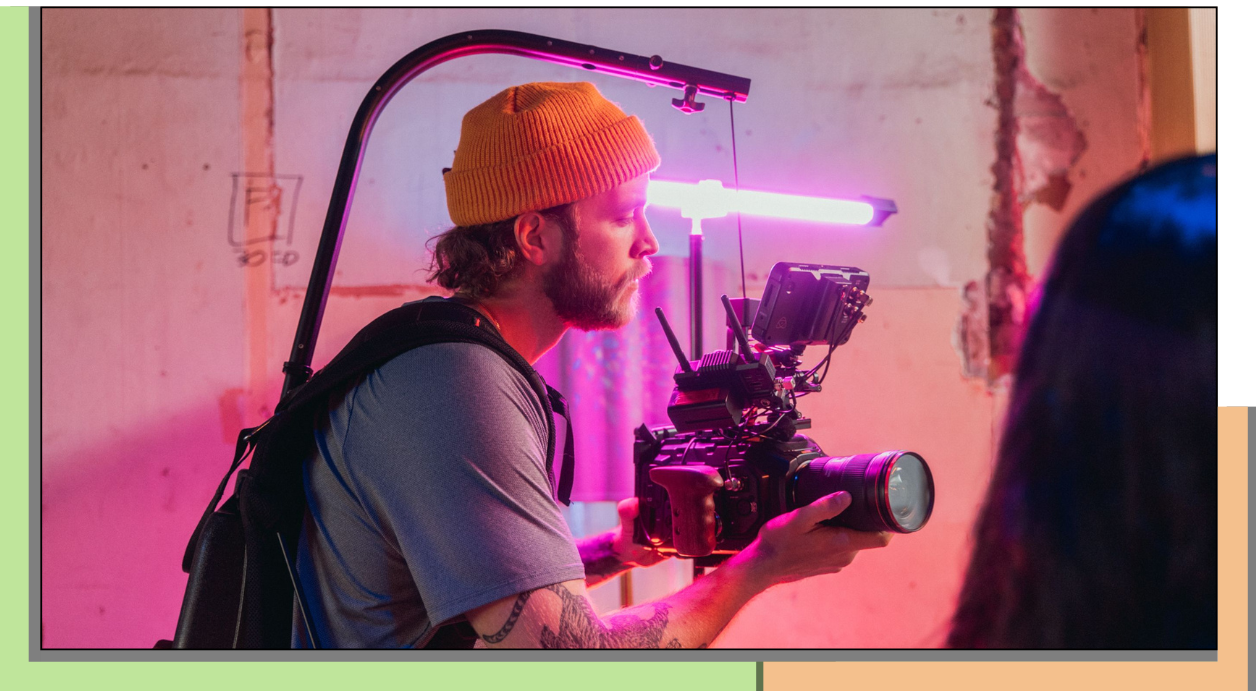
The first step is working out the total weight of your camera build, not just the camera body. Factor in the lens, battery, monitor, transmitter, matte box, follow focus and any other accessories you expect to use. Even if some items won't be fitted on all the time, it's worth allowing a little headroom so the Easyrig can comfortably support your heaviest configuration. Getting this right is important. If your camera build is too heavy for the Easyrig you've chosen, you'll end up carrying much of the weight yourself, reducing the support it can provide. On the other hand, if the camera is too light, the suspension will be working against you, making it harder to keep the camera comfortably at operating height.
Once you know your working weight, you can match it to the right support range. Our Mini Strong is intended for lighter camera builds (4-6 kg); our MiniMax, a broader range of compact cinema and broadcast setups (2-7 kg); and our Vario 5, for productions where rig weight changes regularly (5-17 kg). The vest you then pair with it also makes a difference. Standard vests provide straightforward, supportive operation and are a good fit for general handheld work. Flex vests are similar, but offer better support for female operators with their adjustable chest straps and reinforced areas. Gimbal vests are meanwhile shaped to better accommodate gimbal shooting. 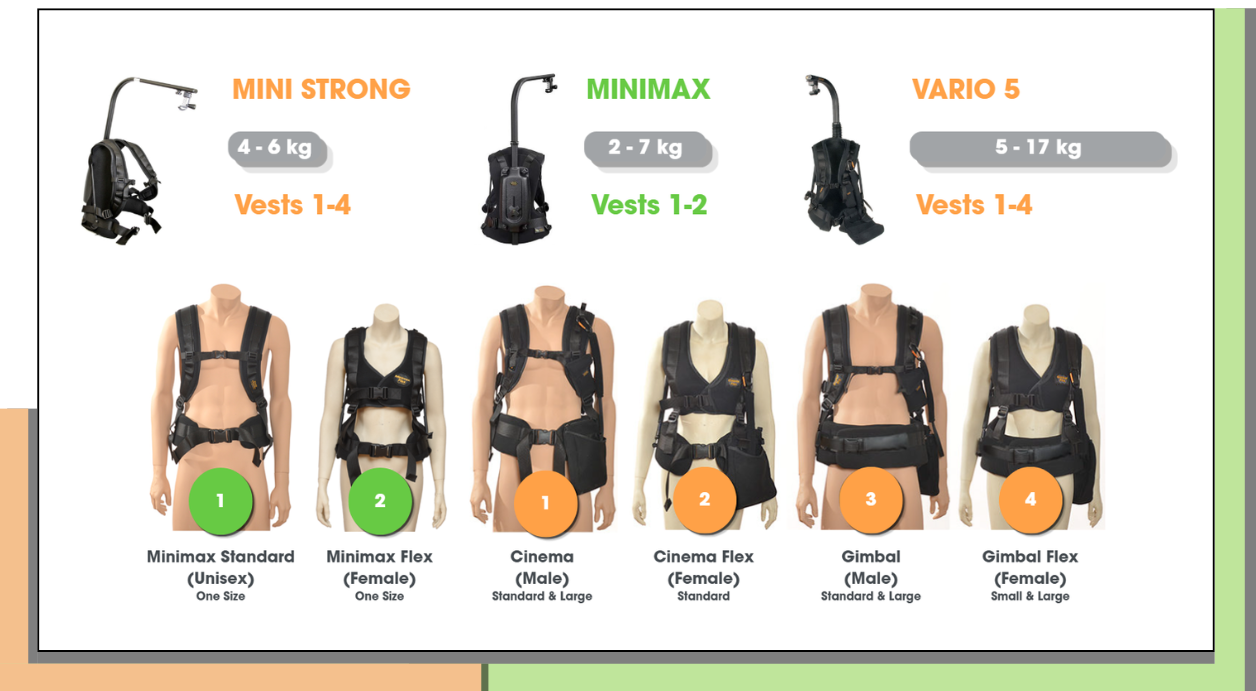
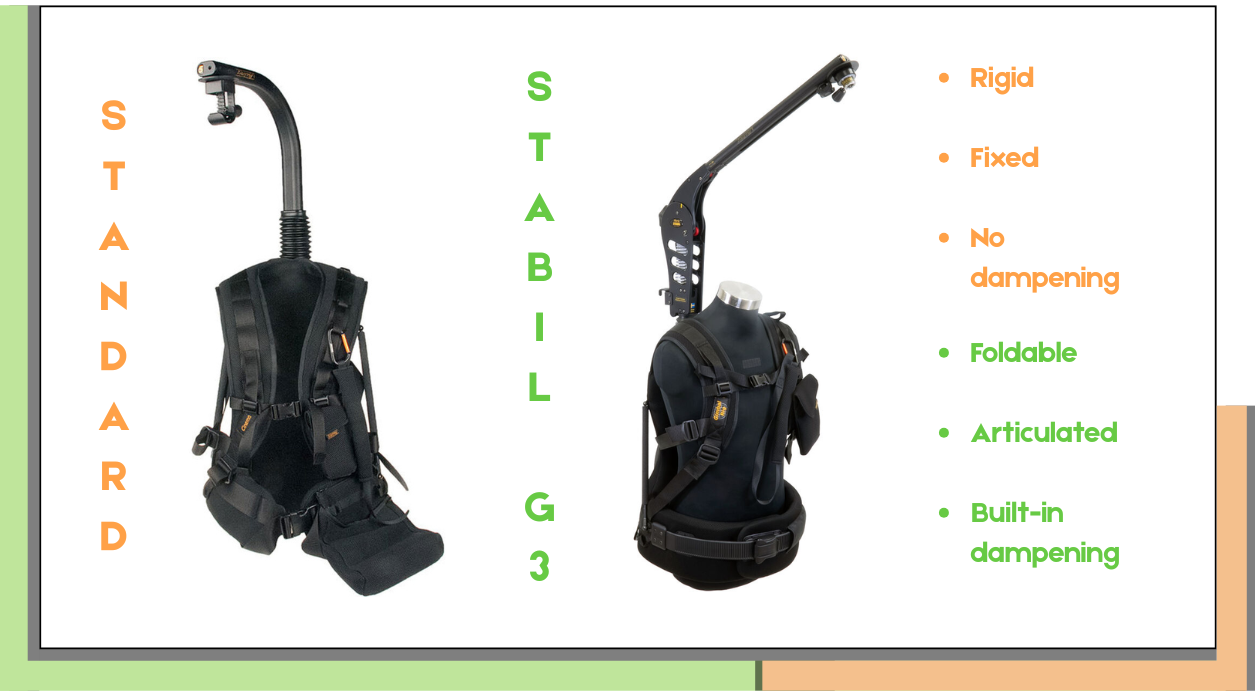
The support arm is then worth considering too. Standard arms provide the dependable weight transfer that Easyrigs are known for, whilst the Stabil G3 arm (only with our Vario 5) adds suspension that helps absorb some of the vertical movement caused by walking. It's particularly useful when following subjects over longer distances, producing smoother movement without giving up the freedom of handheld operation.
Choosing the right Easyrig is only half the job, though. To get the full benefit, you should build your camera up exactly as you intend to shoot, including the lens, batteries and accessories. That way, you're balancing the system for its true operating weight.
Start by adjusting the vest so the weight sits comfortably on your hips rather than your shoulders. The waist belt should feel secure, whilst the shoulder straps comfortable and balanced. Next, set the support line so the camera rests naturally at your preferred operating height. On adjustable models like our Vario 5, fine-tune the suspension until the camera can be raised or lowered without drifting up or sinking down under its own weight. If you're using a Stabil G3 arm, adjust its tension so it sits around the middle of its travel too, giving it the greatest range to absorb movement whilst you shoot.
Get this right, and an Easyrig can be one of the best investments for long handheld shoots. Choosing the correct payload range, vest and support arm ensures it works with you rather than against you, letting you focus on the shot instead of the strain as Sam Wordsworth highlights:
Credit: Easyrig (1 Jul 2020). Ambassador Sam Wordsworth Talks about Easyrig
If you're unsure which configuration is right for your setup, get in touch. We're always happy to talk through your camera package, recommend the best combination and let you try different Easyrigs to find the one that feels right before your shoot.