

By The Kit Room Team on 25th Aug 2026
Today’s market is filled with capable cameras – both mirrorless and cinema - that all provide exceptional quality. Take Sony’s popular Alpha and FX series, whose results can be indistinguishable to your average audience. But when so many cameras can deliver such similar results, what can you judge a camera on? What specs and features can elevate your shoot and how? Let’s explore with the Sony A7S III, FX3 and FX6.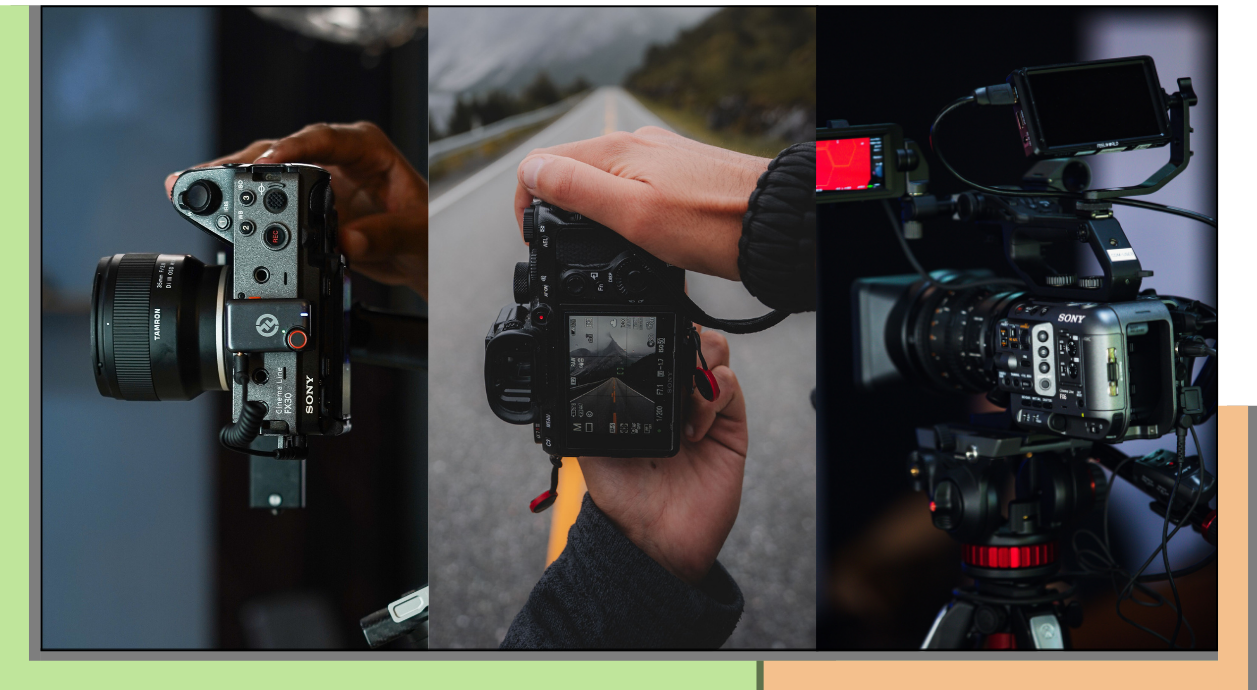
To begin with, the A7S III is built for filmmakers who need one camera to handle a wide variety of work - from commercials and documentaries to photography and social content. Its priority is flexibility. The 12.1MP full-frame sensor delivers excellent low-light performance, whilst 10-bit 4:2:2 internal recording and max 4K 120fps provide plenty of latitude for colour grading and slow-motion work. Audio is equally adaptable; its built-in mics and 3.5 mm input work well for smaller projects, whilst its optional XLR adapter adds professional inputs, phantom power and 4-channel 24-bit audio for more complex set-ups. The trade-off is that the adapter occupies the Multi Interface Shoe, so compatible accessories can't be simultaneously mounted. For owner-operators and small crews whose projects change from week to week, the A7S III offers a practical balance between quality, portability and versatility.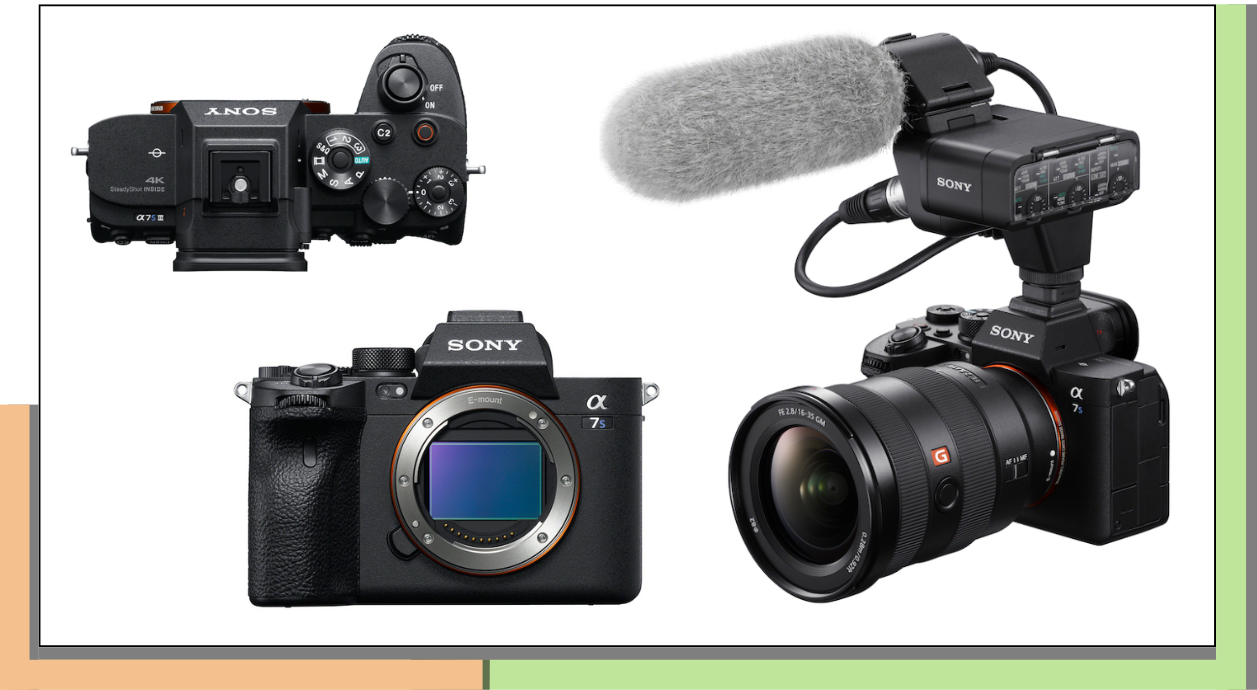
The FX3 then uses this same platform, but with a more refined, video-centric approach. It shares the A7S III's full-frame sensor and excellent image quality, including 10-bit 4:2:2 internal recording and max 4K 120fps, but packages those capabilities into a body designed for longer filming. Active cooling supports extended recording sessions, whilst the supplied XLR handle adds professional audio inputs, controls and 4-channel recording, making it easy to capture dialogue from multiple mics. Various mounting points, tally lamps and dedicated video controls also reduce the amount of rigging needed for many shoots, helping solo operators and small crews move quickly between setups. Productions that rely on SDI infrastructure, built-in timecode connections or advanced broadcast workflows might need additional accessories or larger cameras, but for documentaries, branded content and commercial filmmaking, the FX3 delivers a highly efficient cinema-focused workflow in a compact package.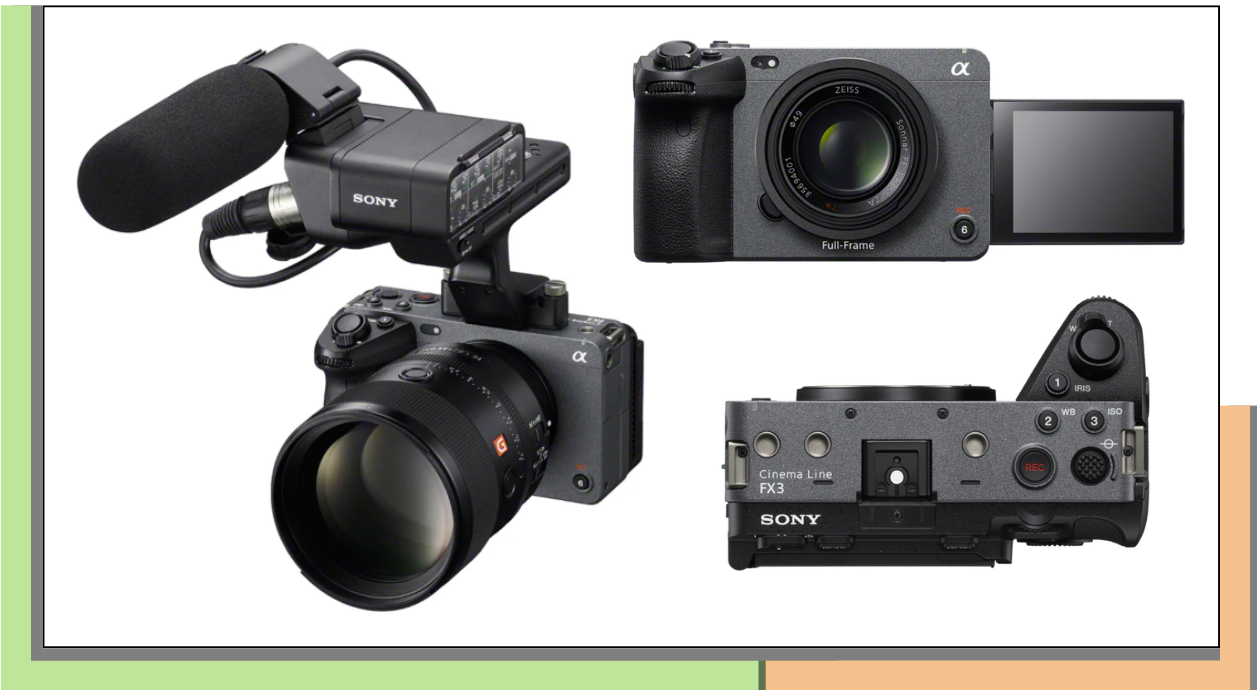
The FX6 is thus for productions where reliability, integration and speed on set matter just as much as quality. Alongside its full-frame sensor, it adds recording and monitoring options that suit more demanding shoots, including 16-bit RAW output to compatible external recorders for greater flexibility in high-end post-production workflows. Its electronic Variable ND filter allows exposure to be adjusted smoothly without changing shutter speed or aperture, making it particularly useful in changing light. Professional audio is built into the removable top handle, which combines XLR inputs with a Multi Interface Shoe for compatible Sony wireless receivers, whilst SDI, timecode and genlock allow the camera to slot naturally into multi-camera, broadcast and live production environments. Those additional features inevitably make for a larger and more expensive camera package, but they also reduce the number of compromises and workarounds required on set. For factual television, broadcast, documentaries and commercial productions with dedicated crews, the FX6 is designed to keep productions efficiently moving.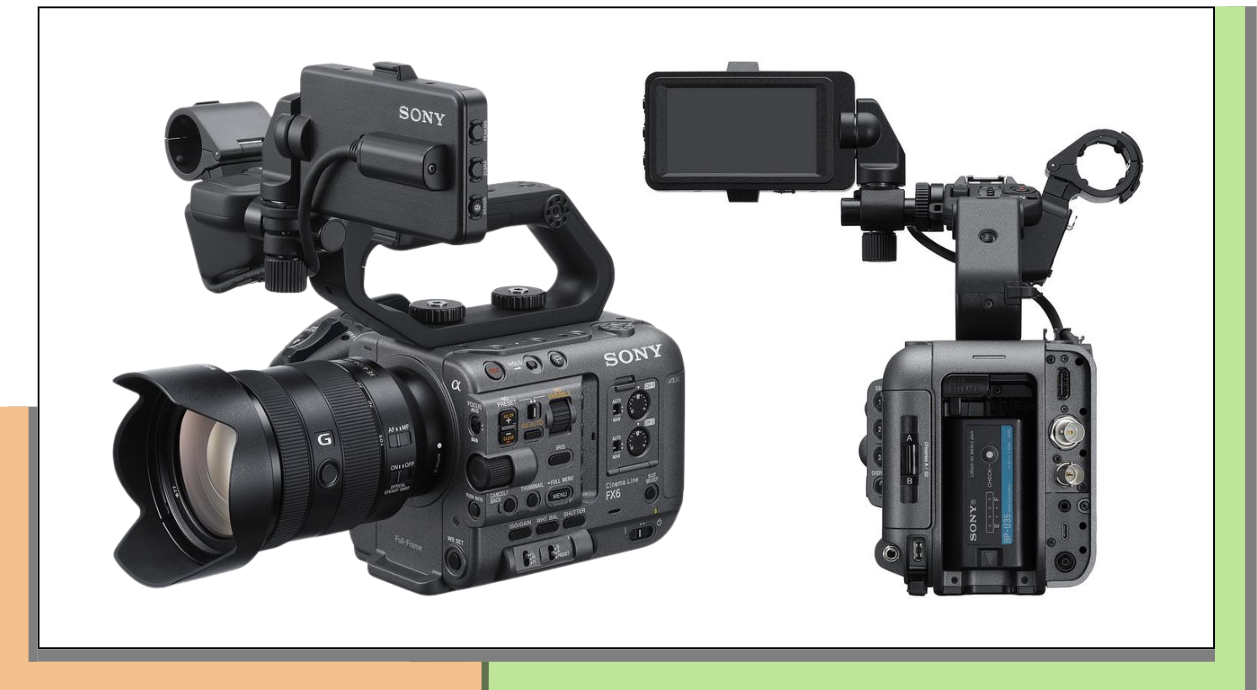
So, when choosing between cameras, don't just look at their specs alone. Consider how they work together and impact your workflow. Whilst audiences may not be able to identify the camera you’ve used, you’ll certainly notice the benefits that each camera brings. You’ll see the flexibility the A7S III brings, the compact professionality the FX3 delivers, and the fast, reliable operation the FX6 enables. From here, it's also worth considering your lens, mic, media, monitor and power options; camera budgets don’t just cover the body after all. So, if you're planning a production and want some further advice, we’re here to help.
P.S. None of the above quite what you're looking for? Check out our FX5 blog to see how Sony's new camera fits within its cinema ecosystem!