

By The Kit Room Team on 11th Aug 2026
Radio mics provide discreet coverage for wide, complex and / or noisy shots, going where boom mics cannot. However, not every system works in quite the same way; some prioritise ease and affordability, whilst others emphasise superior signal strength and flexibility. They also undergo unique challenges to wireless setups. So, between our prosumer and professional systems, which is best for your way of working, and how do you effectively troubleshoot its issues?
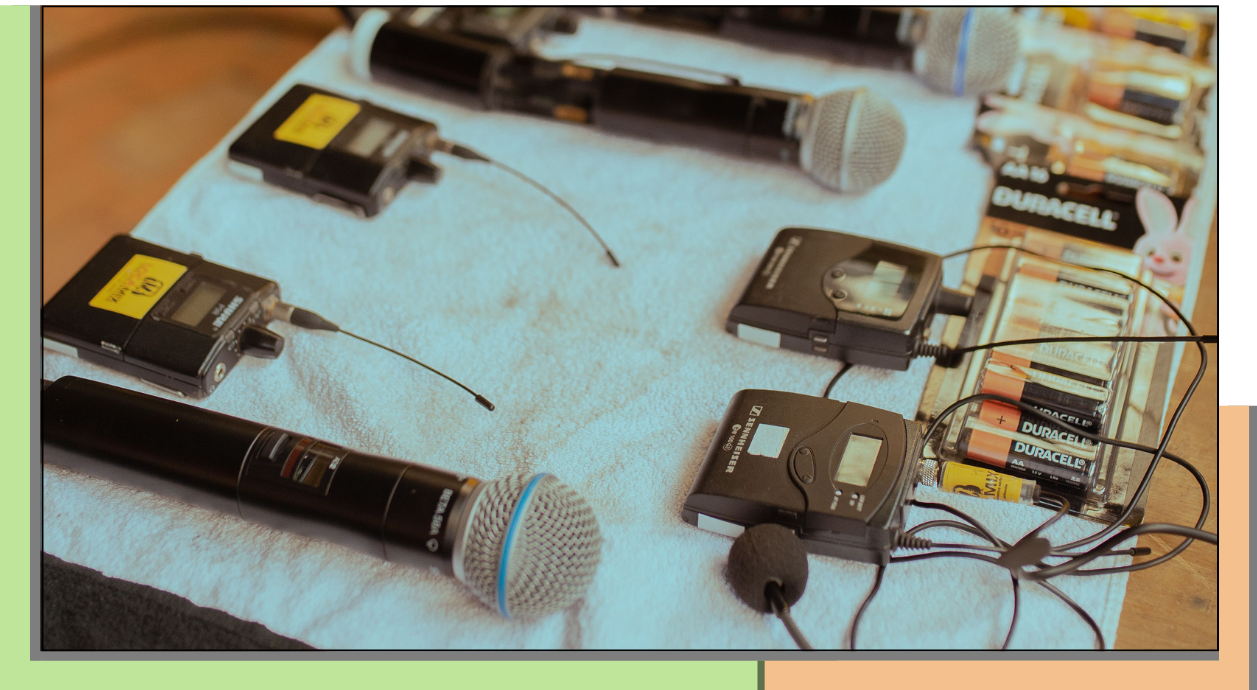
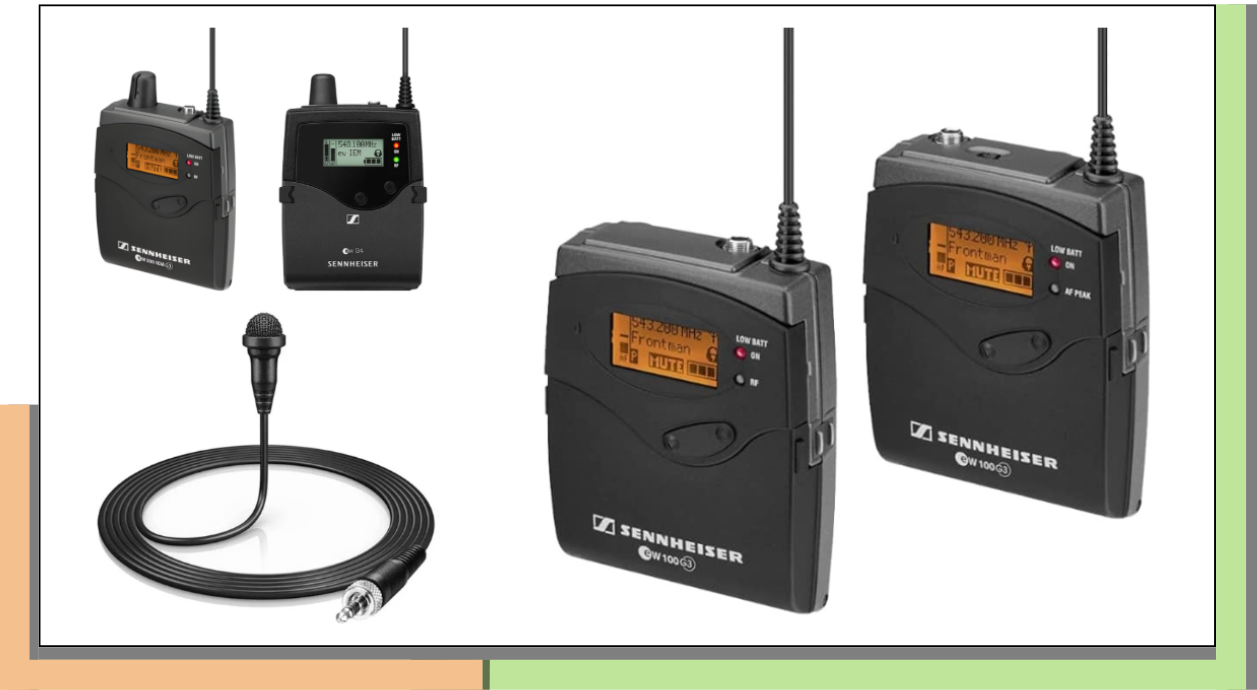
Looking at analogue prosumer first, our Sennheiser G3s/4s have been the go-to workhorse for many years, great for owner-operators, small crews and productions looking for ease and affordability. Offering 1,680 tuneable frequencies across a 42 MHz switching bandwidth, it's straightforward to find clean channels in most shooting environments. Their analogue UHF transmission delivers effectively negligible latency, whilst their supplied ME 2 mics capture clear, natural dialogue. If higher-end mics or other accessories are needed, the series is widely compatible, including with Sennheiser’s own EK IEMs, which can expand these radio mics into in-ear monitoring systems. The main trade-off is that they and other prosumer systems can be more susceptible to dropouts when working in particularly congested RF environments. For many documentary, corporate and event productions, though, it remains one of the most easy and cost-effective options.
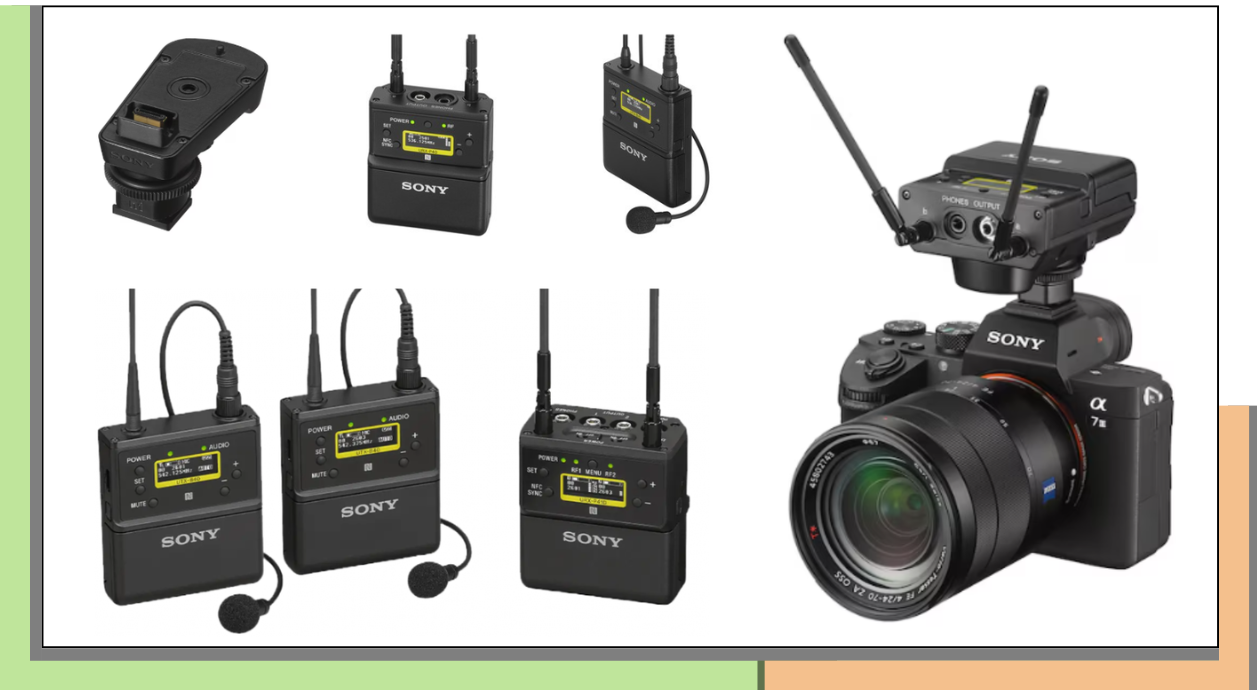
Moving onto the hybrid prosumer side, our Sony UWP-D21s and D27s are great for filmmakers who value reliability, speed and integration. Available across several bands, the systems provide up to 2,772 selectable frequencies over a 72 MHz tuning bandwidth. Alongside their true diversity reception and digital audio processing, this helps maintain a more stable reception in challenging RF environments. Analogue UHF transmission then keeps latency extremely low, whilst NFC Sync keeps setups fast and easy. When paired with SMADs, these systems can further streamline rigs, removing cable clutter and the need for extra XLR inputs as they integrate directly with Sony cameras’ MI shoes. When paired with headphones, their receivers can also easily turn into IEMs. The compromise, however, is that certain accessories and integration benefits are limited to official Sony and third-party kit. Nonetheless, they’re often an excellent choice for fast-paced documentary, ENG and corporate productions.
Looking at analogue prosumer first, our Sennheiser G3s/4s have been the go-to workhorse for many years, great for owner-operators, small crews and productions looking for ease and affordability. Offering 1,680 tuneable frequencies across a 42 MHz switching bandwidth, it's straightforward to find clean channels in most shooting environments. Their analogue UHF transmission delivers effectively negligible latency, whilst their supplied ME 2 mics capture clear, natural dialogue. If higher-end mics or other accessories are needed, the series is widely compatible, including with Sennheiser’s own EK IEMs, which can expand these radio mics into in-ear monitoring systems. The main trade-off is that they and other prosumer systems can be more susceptible to dropouts when working in particularly congested RF environments. For many documentary, corporate and event productions, though, it remains one of the most easy and cost-effective options.
Moving onto the hybrid prosumer side, our Sony UWP-D21s and D27s are great for filmmakers who value reliability, speed and integration. Available across several bands, the systems provide up to 2,772 selectable frequencies over a 72 MHz tuning bandwidth. Alongside their true diversity reception and digital audio processing, this helps maintain a more stable reception in challenging RF environments. Analogue UHF transmission then keeps latency extremely low, whilst NFC Sync keeps setups fast and easy. When paired with SMADs, these systems can further streamline rigs, removing cable clutter and the need for extra XLR inputs as they integrate directly with Sony cameras’ MI shoes. When paired with headphones, their receivers can also easily turn into IEMs. The compromise, however, is that certain accessories and integration benefits are limited to official Sony and third-party kit. Nonetheless, they’re often an excellent choice for fast-paced documentary, ENG and corporate productions.
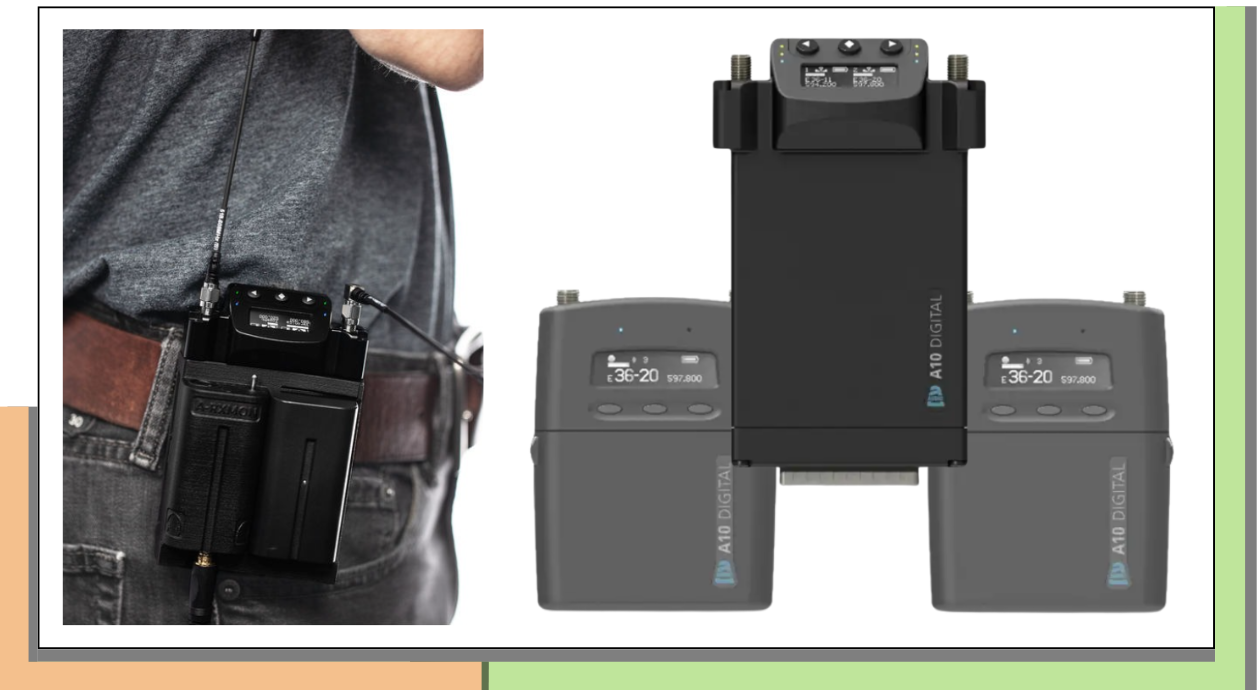
For high-end dramas and broadcasts where advanced reliability and quality are critical, though, professional systems like our Audio Ltd A10 are the way to go. The A10 combines fully digital transmission with advanced diversity reception and a huge 224 MHz switching bandwidth across a 470-694 MHz spectrum, making it exceptionally resilient in congested RF environments with negligible latency. Even if transmission is interrupted, its integrated microSD recording provides an additional layer of security. This allows the full 20 Hz-20 kHz frequency response, balanced outputs and digital transmission to shine, helping to preserve every detail of a mic's performance without the companding artefacts associated with analogue wireless systems. To monitor, simply pair with an A-RXMON. Although these do come at a higher cost than the others, for productions with dedicated sound departments, this cost is often justified by the flexibility, reliability and confidence this system provides.
Regardless of which mic you choose, though, it’s important to remember that even with all their features, wireless systems can still suffer from interference. This is most commonly due to other RF devices operating on nearby frequencies, such as mics, in-ear monitors, Wi-Fi routers, Bluetooth devices, or even digital TV broadcasts operating on the same spectrum. Physical obstructions like walls, metal structures and large crowds can also weaken or scatter the signal, whilst distance and line-of-sight issues between transmitters and receivers can frequently cause dropouts. Battery-related power fluctuations, faulty antennas and improperly placed receiver antennas (i.e. too close together, too close to metal, or in RF-dead zones) are also other frequent culprits. To troubleshoot, start by scanning for a clear frequency using the receiver's built-in scan function, especially if you're in a venue with lots of RF traffic. Check antenna placement, ensuring there's a clear line of sight to the transmitter with no shielding from equipment racks or metal cases. Ideally, use a proper antenna distribution system if running multiple channels. Replace or fully charge batteries, since low power is one of the most common and easily fixed causes of dropouts and static. If interference persists, try relocating the receiver closer to the performance area, reducing the number of devices sharing the same band, or switching to a different frequency range altogether (such as moving from crowded UHF blocks to a cleaner one). Finally, keep firmware updated and consult a frequency coordination chart if you're operating in a market with heavy broadcast or public safety RF use, since local conditions can shift significantly from one venue to another.
In brief, depending on your production needs, prosumer Sennheiser G3/4s can be a great starting point for dependable, affordable systems, whilst Sony UWPs a natural, integrated step-up. Professional Audio A10s are then the answer to critical reliability and kinder budgets. One key thing to remember, however, is that whatever the system, it’s only part of the equation. Understanding how to troubleshoot common RF issues is just as important as choosing the right kit. So too is the mic itself, which is what we’ll be exploring in our next sound post. If you want to get in touch before then, just reach out; we’re always happy to help build an audio package that fits around the way you work.