

By The Kit Room Team on 14th Sep 2026
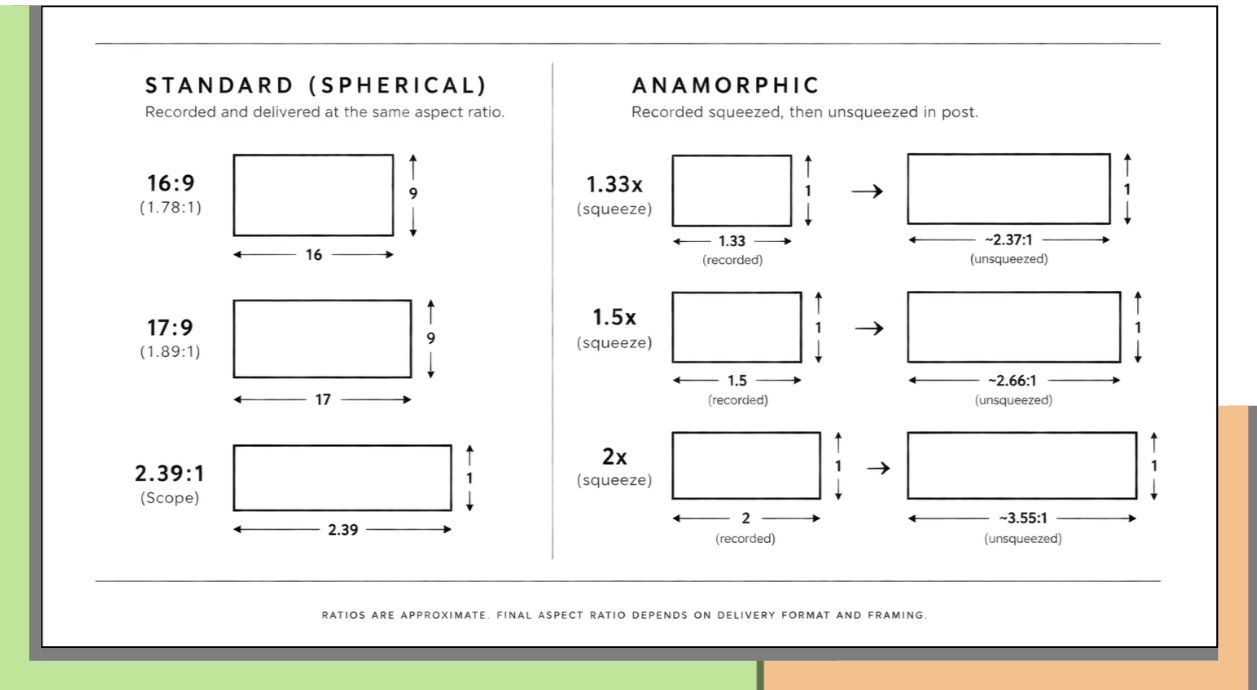
Firstly, if you want a noticeable but unimposing anamorphic look, Orion is the more measured option. Its 2x squeeze factor and relatively low geometric distortion give you the wide perspective without an overly warped image. Closer to the classic Cinemascope approach, the 2x ratio captures a particularly wide horizontal field of view, which is great for capturing detail and scale across narrative and documentary shots. Thanks to its minimal distortion, managing these compositions is easy, but gentle spherical aberration, painterly waterfall bokeh and controlled flares are still retained. This makes Orion a great choice for productions seeking to emulate the traditional 'Hollywood look' on a budget, and it's natively compatible with S35 sensors and FF sensors via 1.4x and 1.6x expanders (with only 1-1.3 stop light loss).
Credit: Atlas Lens Co. (28 June 2025). Atlas Orion vs. Atlas Mercury Comparison
Design-wise, Mercury is also the go-to for mobile shoots; compared to many other brands, they're deliberately lightweight and compact. Our 36mm, 42mm and 72mm set ranges from around 1.1kg to 1.6kg, which makes it considerably easier to balance and shoot with handheld or gimbal rigs. It also reduces the number of supporting tools needed. The trade-off is that its aperture is generally around T2.2 across its full range (24mm to 138mm), which is not as fast as the Orion. The series also only comes in PL mount at the moment, so adapters are needed if you're using a non-PL system. Not total deal breakers, but mechanically, Mercury's strength lies in its mobility, which high-end documentaries may find more beneficial.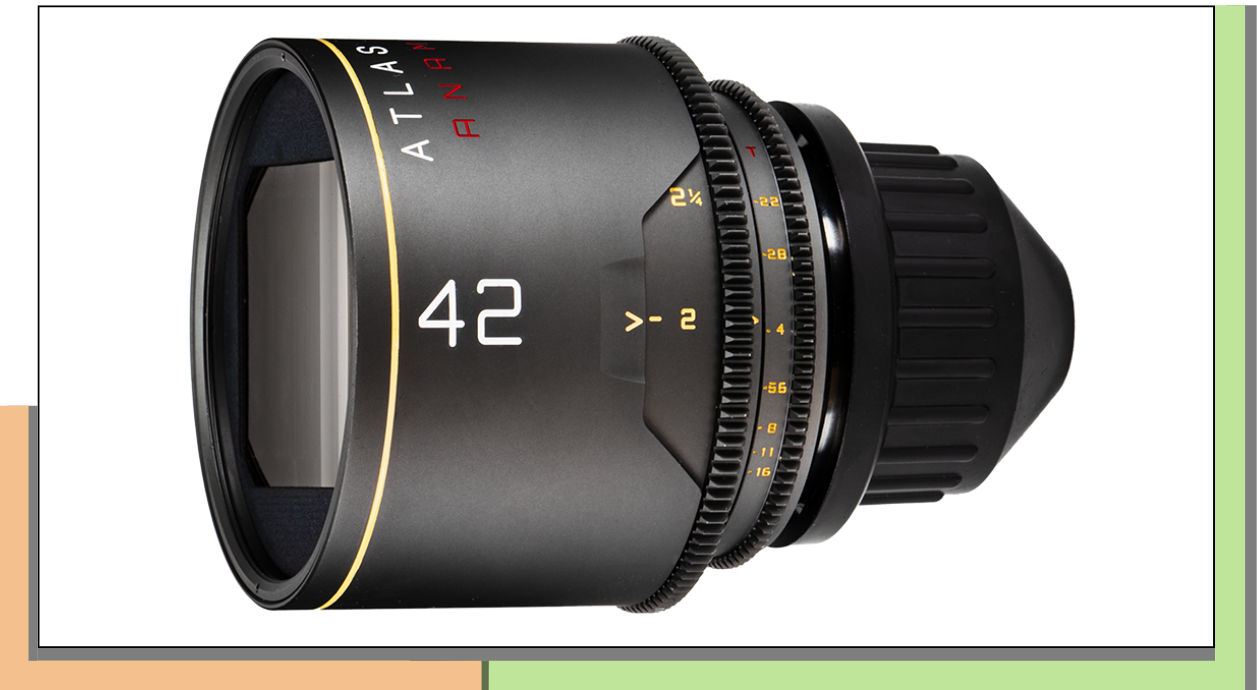
In contrast, Orion is great for controlled sets. Whilst substantially larger and heavier, with the range varying considerably by focal length, the series makes more sense when the camera package can accommodate its full size and weight, typically on sets where optics take priority over portability. It's faster than the Mercury at T2 across most of its broad range (18mm to 200mm), which matters when handling low light scenes or maintaining a particular depth of field. Orion also has an interchangeable mount system which allows PL and EF mounts to be swapped, which is useful when the same lens investment needs to move between different camera platforms. By offering more with its mount and iris, Orion more closely aligns itself with high-end narrative workflows.
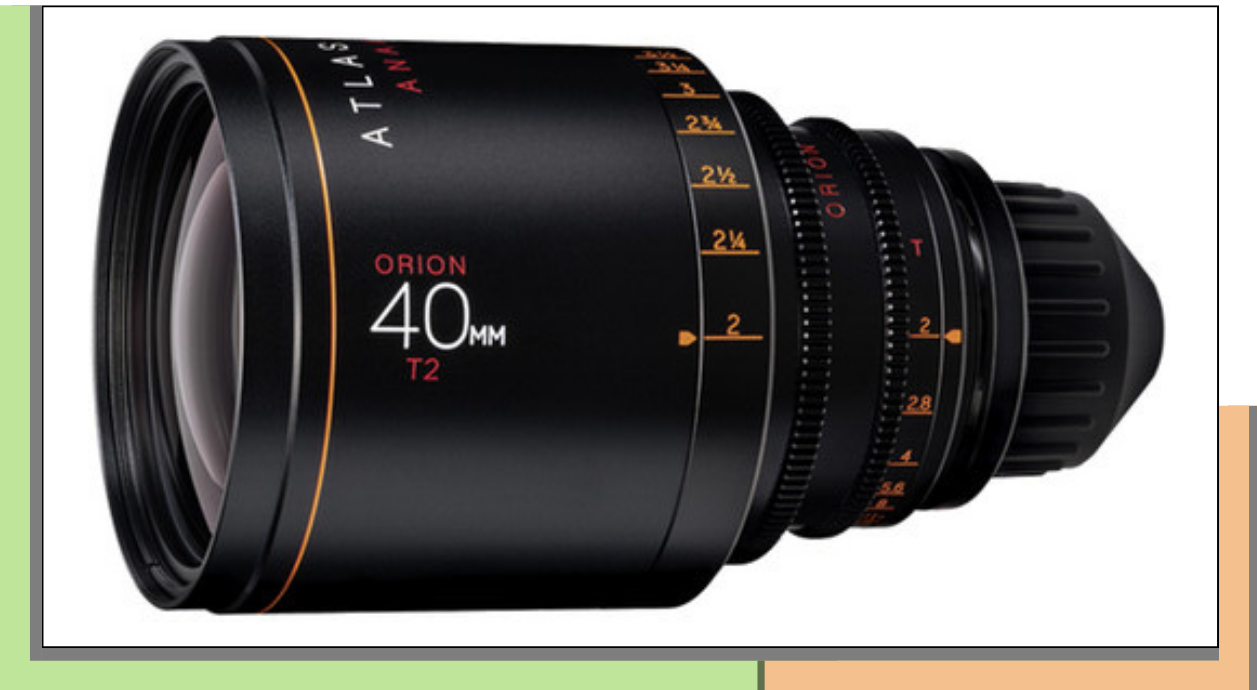
Importantly, despite these differences, both ranges do retain the manual cinema mechanics you would expect from proper cine lenses, so they are both designed for consistency in mind. Geared, manual iris and focus rings give you precise control over every adjustment; standardised designs keep accessories where they are; and constant T-stops (only different at the extremity of their ranges) maintain exposure and focus. They offer a smooth way of working in this regard, on top of their unique anamorphic look, but they aren't stabilised, so camera movement does need to be handled through the rig, operator or support system. They're therefore ideal for higher-end work which can spare the time and crew needed to perfect this consistency and control.
So, although similar, Orion and Mercury are not interchangeable. Orion makes most sense for controlled sets where a wide, subtle, traditional anamorphic look is desired. Mercury meanwhile caters to more mobile shoots who want a more expressive character. It's important to remember, though, that anamorphic isn’t automatically the right answer just because you want a cinematic image. As we explored in our Cine or Consumer Lenses blog, the benefit of cine glass is often as much about the workflow as the image. If you don’t need anamorphic character, a spherical cine or even consumer lens may give you a more practical route to the result you want. If you’re unsure which route suits your production, get in touch with us. We can talk through the lens, camera and wider support package to help you build a setup that works on set, not just on paper.