By The Kit Room Team on 14th Sep 2026
Gimbals have become a staple of modern filmmaking, giving operators smooth, controlled movement without the time and space needed for tracks or dollies. DJI’s RS range takes the same basic approach across several generations, including the RS5, RS4 Pro and RS3 Pro, which begs the question: when is each right for your shoot? Rather than simply comparing specs, it’s more useful to look at what each prioritises: the weight and size of your camera package, how quickly you need to configure it, and how much assistance or control you want whilst operating.
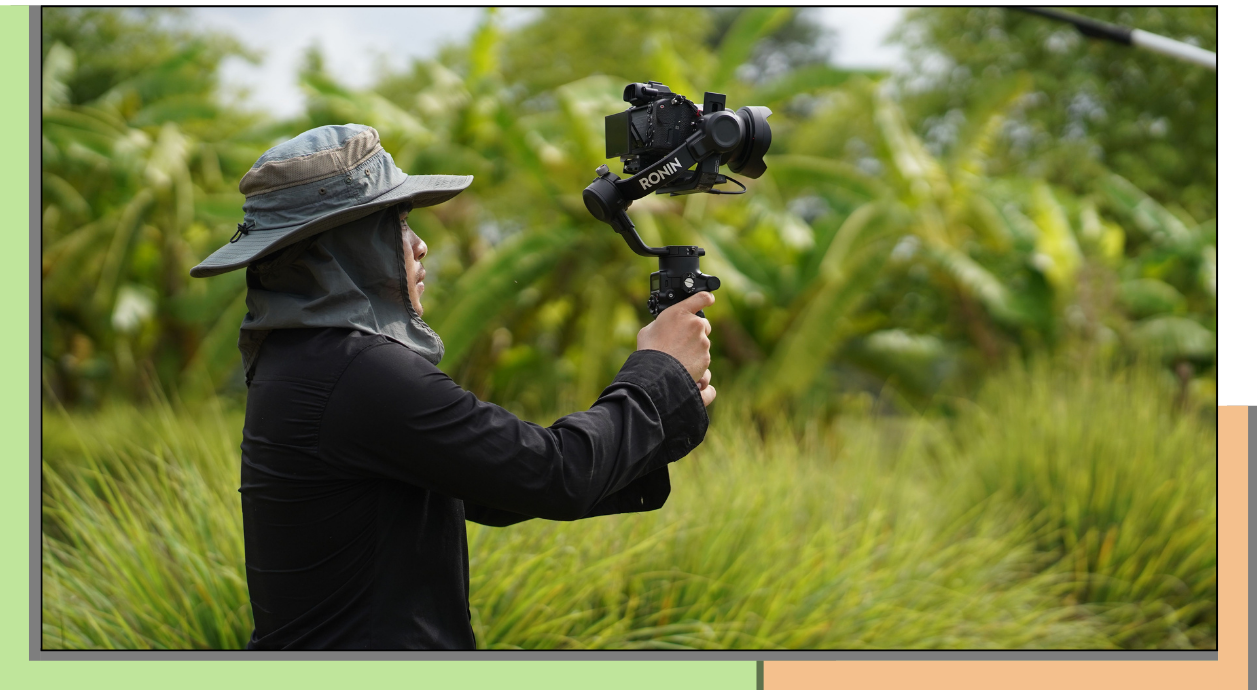
To start, the RS3 Pro is a strong choice when you need to accommodate a larger or more heavily rigged camera package without moving into a substantially heavier stabiliser. Its 4.5kg tested payload and carbon-fibre arms give it more headroom for professional cinema builds, meaning you can build the camera as you need rather than as the gimbal does, whilst automated axis locks make setup and storage that much quicker. The RS3 Pro also integrates with DJI’s wider ecosystem, including its LiDAR focusing and video transmission options. Overall, it's a particularly useful choice when the priority is payload flexibility with an established, professional workflow.
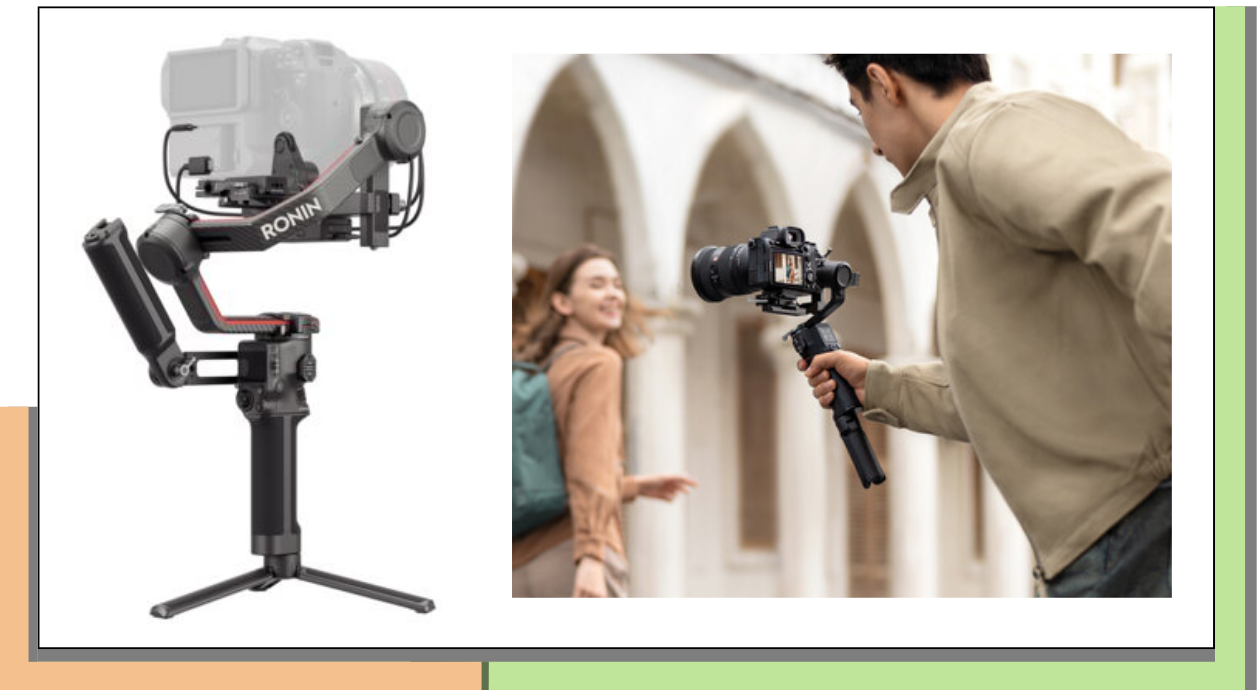
In a similar vein, the RS4 Pro builds on this professional approach, but so as to be better suited to operators who regularly adjust their setup. Retaining the 4.5kg payload and carbon-fibre construction, it also adds features such as fine-tuning knobs and second-generation automated axis locks to make balancing and switching between setups quicker. This is especially useful when a shoot changes lenses, accessories or operating configurations throughout the day. Instead of treating the gimbal as a fixed setup, the RS4 Pro makes these adjustments less disruptive. It therefore suits crews who want the payload capacity of a Pro model but who also value a faster, more repeatable workflow.
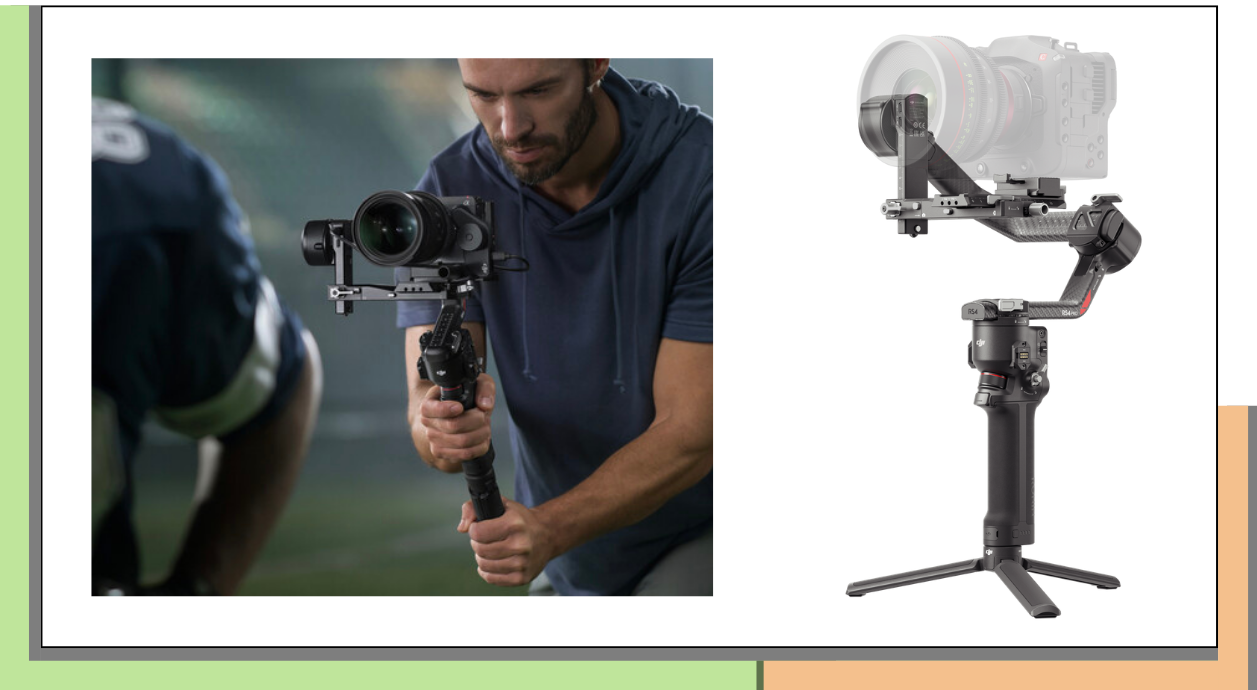
Meanwhile, the RS5 shifts the emphasis towards making the operator’s job easier overall. Its tested payload is lower at 3kg (watch out for later releases, though), but it introduces features designed around more assisted operation, including enhanced subject tracking, on-screen subject selection, fine-tuning knobs and an electronic briefcase handle. The optional tracking module can select and track people, vehicles or pets, whilst the electronic handle provides direct gimbal and camera control for alternative shooting positions. This makes the RS5 particularly interesting for solo operators, fast-moving shoots and shots where the operator needs to concentrate on composition and movement at the same time. The trade-off is that you simply have less headroom than the Pro models, so your camera build needs to stay within that lighter configuration.
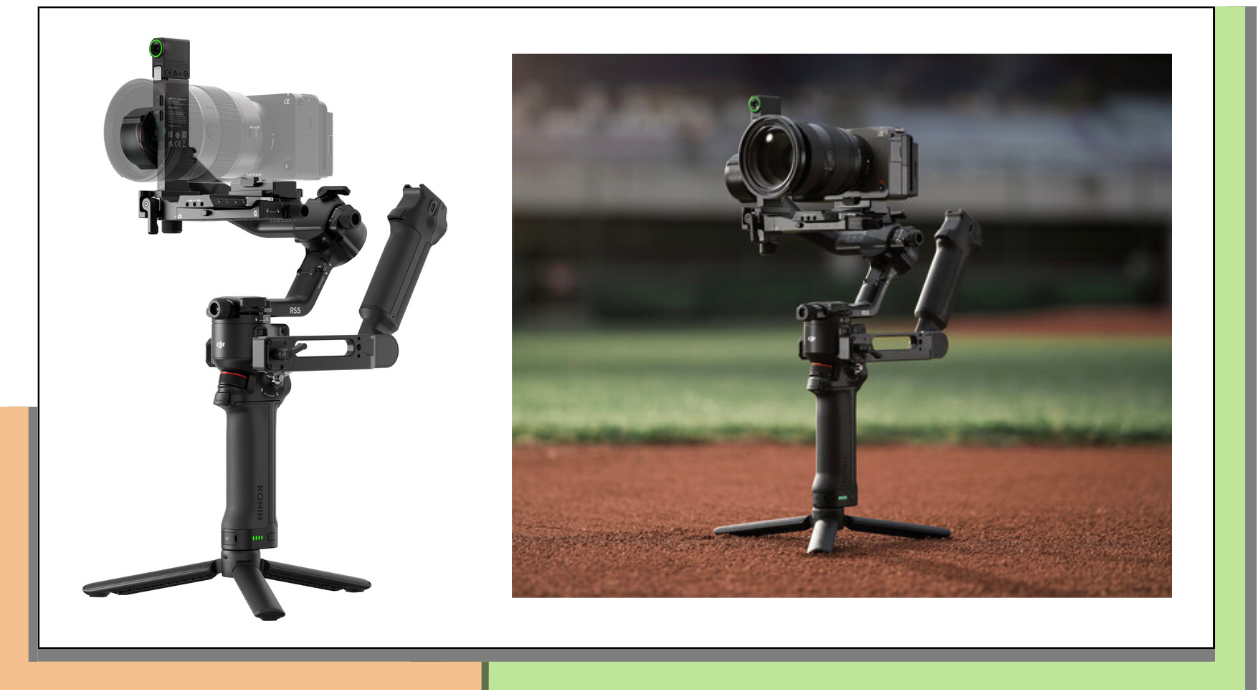
Whichever model you choose, though, correct balancing is still the foundation of good gimbal performance. With the camera switched off, your first step is to mount the fully rigged setup onto the gimbal. Next, balance and calibrate the tilt, roll and pan axes in order so the camera can hold its position without the motors having to overly compensate. If you want to change to portrait orientation, then the relevant axes need to be rebalanced too. DJI’s full process is demonstrated step-by-step in the below video, so it’s worth watching this before your first setup.
Credit: DJI Tutorials (29 January 2026). DJI RS 5 | First Use
Ultimately, the choice is less about which gimbal is the technically most impressive and more about how you need to work. The RS3 Pro gives you professional payload flexibility, the RS4 Pro makes repeated setup changes easier, and the RS5 puts more emphasis on assisted operation and fast, flexible shooting. Just as important is the package; lens, focus, monitor and accessories all contribute to the final setup, so the best option is the one that works comfortably as part of the whole package. If you’re unsure which DJI RS setup fits your shoot, get in touch with us for practical advice and rental enquiries.