

By The Kit Room Team on 4th Aug 2026
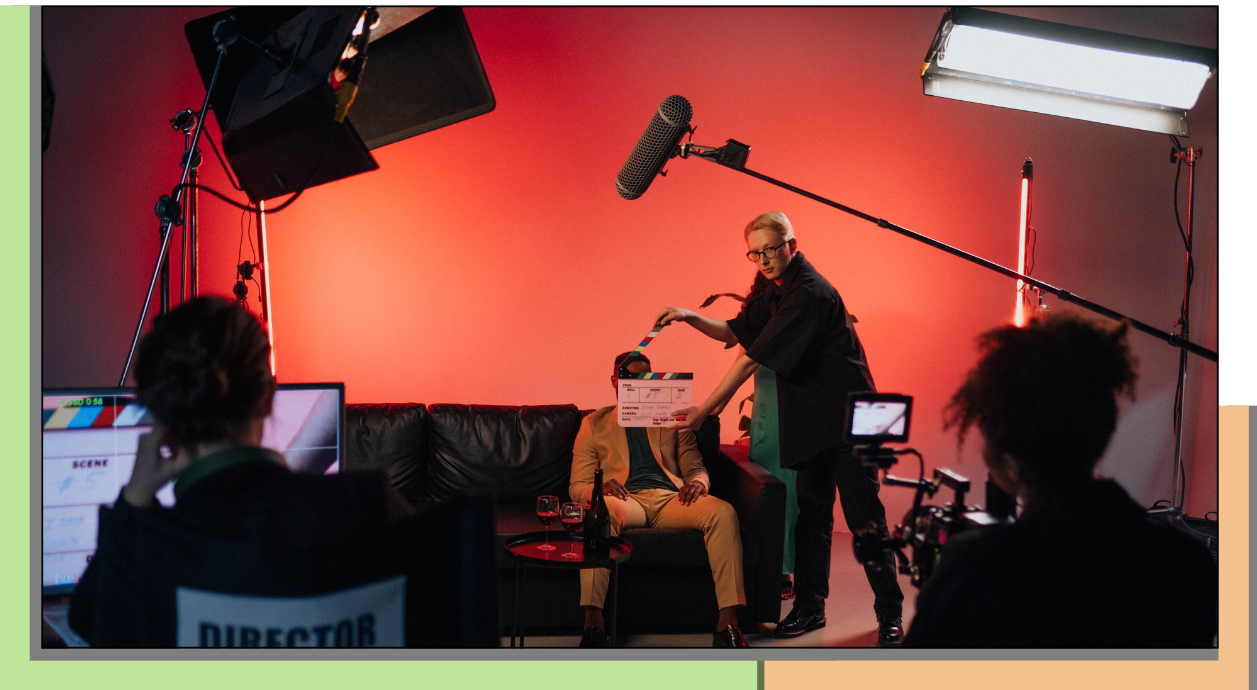
In recent years, LED fixtures have become the go-to choice for filmmakers thanks to their energy efficiency, heat management and durability. As their technology has evolved, so too have their designs, with panel, point and tube fixtures now forming the backbone of most lighting kits. But which is best? Since each is designed with a different purpose in mind, choosing the best fixture actually comes down to the look and practical demands that are right for your shoot. So here's a look at what each light uniquely solves.
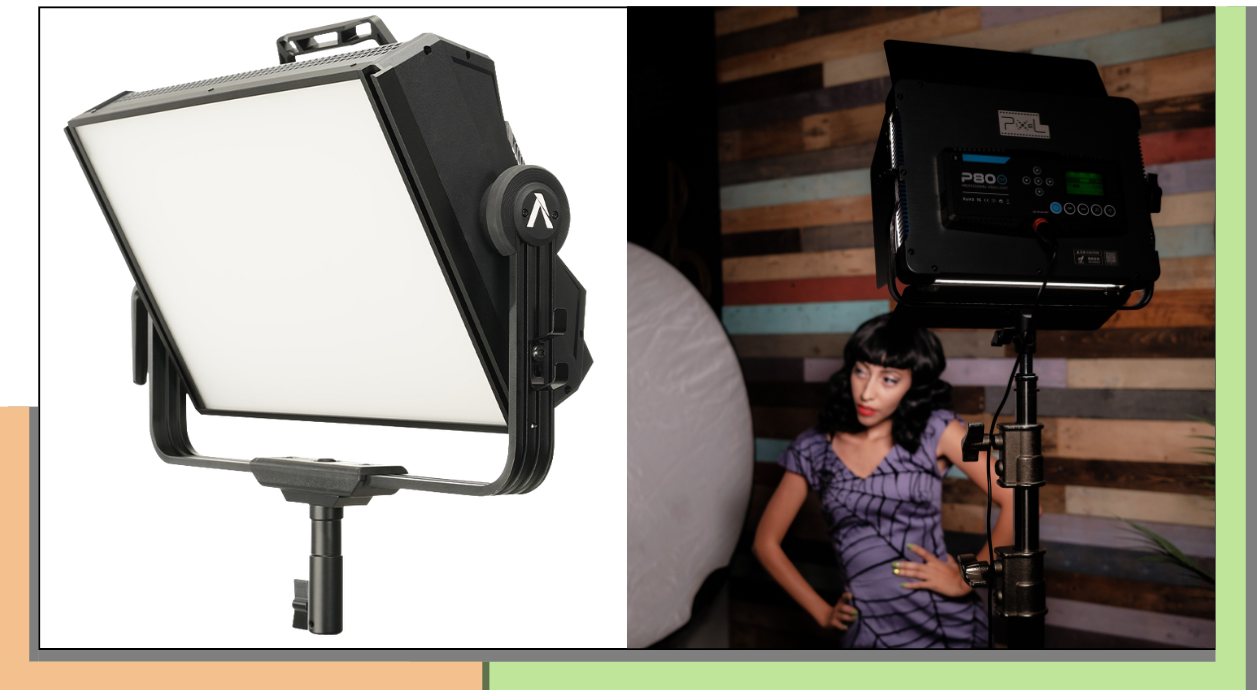
Panel lights, like our Aputure Nova P300c, are often the quickest way to create soft, even light. Used close to subjects, their large surface area evenly spreads light, naturally softening shadows and producing a gentle, flattering quality that's ideal for interviews, talking heads and room ambience. Some's compact design, like the foldable, battery-powered Aladdin Bi-Flex, then make them ideal for tight or remote spaces too. The trade-off is reach. Because light is spread across such a broad surface, panels don't throw as far or as hard as points. They're brilliant when the fixture can stay relatively close to the subject, but less effective when you need to light across larger distances or shape the beam more precisely.
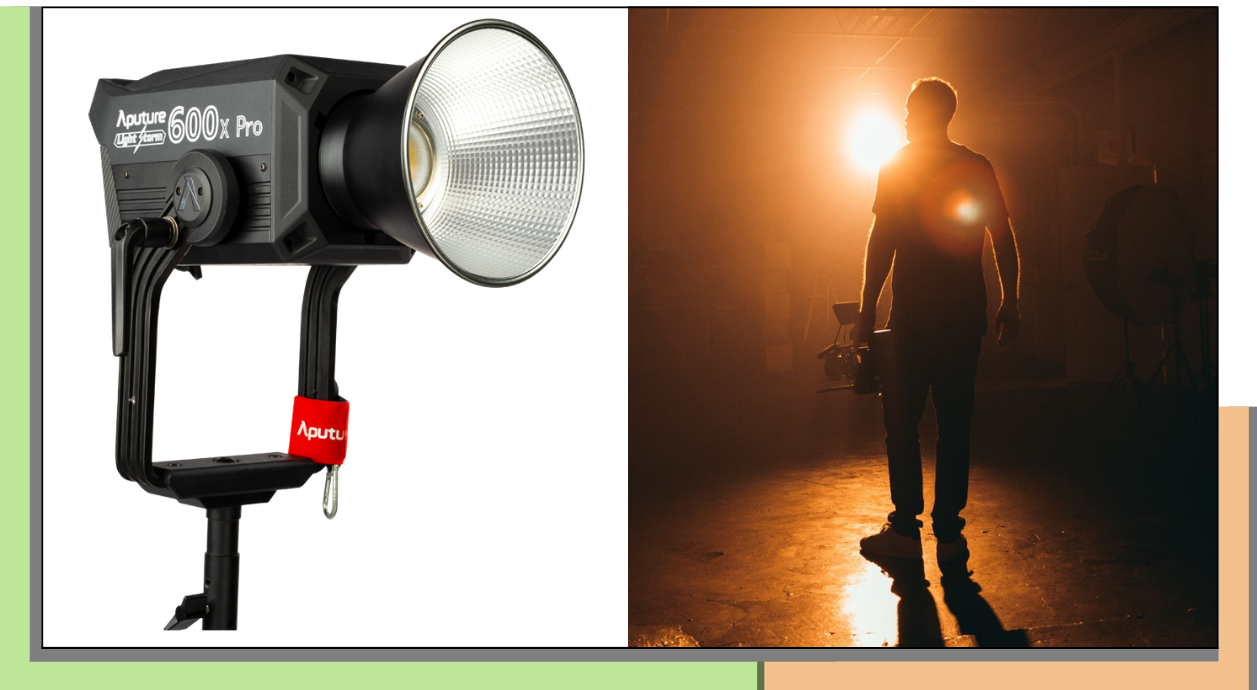
If you need output, this is where point sources usually come in. Lights like our Aputure LS 600x concentrate their power into a single source, making it much easier to punch light. This makes them a reliable choice for key lighting, sunlight simulation and large space illumination. They're also incredibly adaptable: you can add a Fresnel to increase output, a soft box to soften, and a spotlight attachment or snoot to further control the beam. One fixture can cover a surprising range of jobs. The downside is that this flexibility comes with extra kit, costs and setup time, meaning points aren't always the best option when you're trying to keep a shoot lean and mobile.
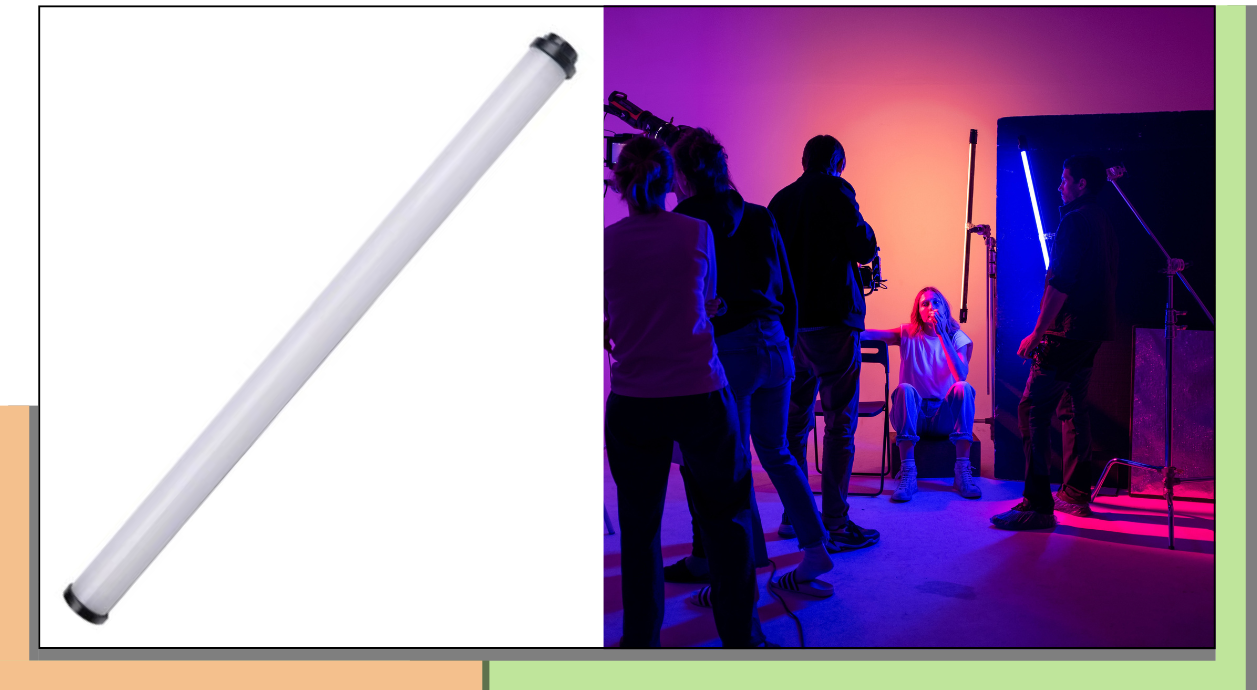
Tube lights, such as our Aputure Amaran T2c, are the fixtures you reach for when you need light in places that other fixtures simply won't fit. Their slim design, built-in batteries and magnetic or threaded mounting make them easy to hide behind furniture, inside vehicles or around awkward corners where a conventional light stand isn't practical. They produce a soft light that's perfect for subtle edge-lighting, practical accents or subject-background separation. They're also useful when the fixture needs to be seen. RGBWW colour control and built-in lighting effects make tubes a popular choice for adding interest to modern interiors, music videos and stylised commercial work. Like panels, though, this convenience comes at the expense of output. They're excellent supporting lights, but you'll usually want a panel or point doing the heavier lifting.
In brief, the right fixture depends on both the look you're trying to achieve and the practicalities of your shoot. Panels excel at creating close, flattering lighting; points, far-reaching, dramatic illumination; and tubes, accenting, edging and colouring. In reality, most productions use all three. A single shot might combine a panel to key light, a point source to mimic sunlight and a tube to create background separation. Cinematic lighting is after all built on depth, contrast and layering, not a single fixture doing everything.
If you're planning your next shoot and aren't sure which fixtures make the most sense, we're always happy to talk through your lighting setup and help you build a package that fits the job.